
What Is Body Butter and How to Choose One for Your Skin
Body butter is a thick, rich moisturiser made mostly from plant butters and oils, with little or no water. That is why it sits on your skin and seals in moisture instead of sinking in and vanishing like a thin lotion. This article covers how it works, what goes into it, and how to pick one for your skin and climate.
What Is Body Butter and How It Works
Body butter and how it works is simple to explain: it is a thick, creamy moisturizer made from natural oils and plant butters, and it works by keeping moisture in your skin rather than just sitting on top of it. It sits between a light lotion and a solid balm, rich enough to feel properly nourishing, soft enough to spread without a fight.
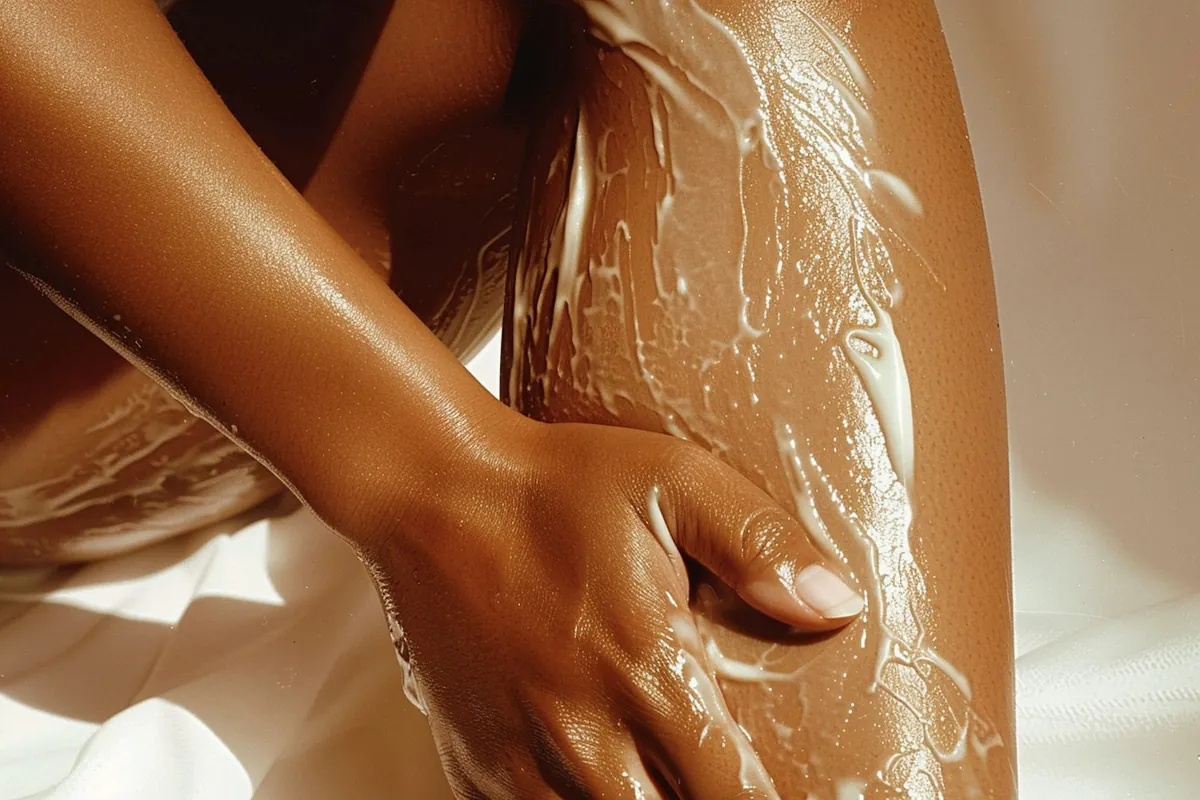
Photo by Melissa | Refancy.co on Lummi
Think of the texture as something like whipped frosting that melts the moment it meets your skin. Scoop a little from the jar, warm it between your palms, and it glides on.
So how does it work? Most of the effort goes into holding on to the moisture your skin already has. Plant butters and natural oils form a soft, breathable layer that slows water from escaping. Because those ingredients are close in character to the oils your skin makes itself, they settle in rather than sitting on top like a greasy film. The result is skin hydration that lasts for hours, not just until you've pulled your shirt on.
That gradual absorption is the key difference. A fast-vanishing lotion can feel lovely for a short while, then leave you reaching for it again. A good body butter takes a little longer to sink in, and in exchange it keeps your skin feeling soft and supple much later into the day.
A few things set it apart:
- It's made mostly from oils and butters, with little of the water that thins out lotions.
- It feels richer and more cushioning on dry patches like elbows, knees and heels.
- A small amount goes a long way.
You don't need much. , and you can always add more where your skin feels thirsty.
Body Butter vs. Lotion and Other Moisturizers
| Body butter | Lotion | Cream | Balm | |
|---|---|---|---|---|
| Texture | Thick, spoonable, soft | Light, runny, pourable | Medium, smooth, fuller | Firm, waxy, solid |
| Richness | Rich, between lotion and cream | Lightest of the lot | Thicker than lotion | Heaviest, sits on the skin |
| Feel on skin | Melts in, leaves a soft layer | Sinks in fast, barely there | Cushiony, absorbs steadily | Stays put, can feel slick |
| Staying power | Holds moisture for long stretches | Wears off sooner | Lasts longer than lotion | Seals moisture in |
| Best for | Dry, rough patches | Daily light moisture | Skin that needs more than lotion | Very dry spots like heels |
Body butter is a thick, rich moisturizer that sits between a regular lotion and a heavy cream. Think of it as the middle child with a strong personality: richer than lotion, softer and easier to spread than a firm balm.
The table is really a lotion comparison turned into a ladder of richness. At the bottom, lotion is mostly water, so it glides on and vanishes quickly. That is lovely on a humid day, but it also means it may need a second round by afternoon.
Cream is the next step up, with more body and more staying power. Balm is the top rung, dense and waxy, which makes it handy for small, stubborn spots but a bit much for your whole body. Body butter lands in the sweet spot for most people with dry skin: a generous layer of moisture that melts in without feeling like you've been dipped in wax.
So how do you pick among these moisturizer types? Ask three plain questions: How dry is your skin, really? What is the weather doing? And how much patience do you have in the morning?
If your skin feels tight by midday, a lotion probably isn't enough, and body butter or a cream will serve you better.
If you live somewhere humid and your skin is normal to oily, a light lotion may be all you need, with body butter saved for elbows, knees and drier months. In winter, when the air turns dry and your shins start complaining, the richer options earn their place. Match the product to the day, not the other way round.
Key Ingredients That Make Body Butter Work
Shea butter and coconut oil: the base layer
Body butter is built on plant butters and oils, and shea butter is the usual star. It comes from the nut of the shea tree and stays soft and spreadable on skin, which is why so many dry-skin routines start with it. Coconut oil often sits beside it, adding a lighter, slippery glide. Together they form the heavy, comforting base that gives body butter its deep hydration.
The catch is weight. Straight shea can feel thick on warm days, so a good recipe balances it with other oils instead of leaning on it alone.
Plant oils: argan, jojoba and almond
If the butters are the cushion, plant oils are the fast movers. Argan, jojoba and almond oil soak in easily and help seal moisture in, so the butter doesn't just sit on top like a candle wax coat. Plant oils are often picked for different skin types, while almond oil is the soft, familiar all-rounder.
Each has limits, so check before you buy. Argan tends to cost more, which is why you will not find it in every jar.
Why simple, recognisable ingredients win
A short ingredient list is easier to read, and easier to trust. When you can name what is in your jar (a butter, an oil, maybe a drop of fragrance), you also know what to avoid if your skin ever objects. Natural ingredients are not magic, and "natural" alone does not guarantee a gentle product. But for something you rub on daily, fewer unfamiliar names means fewer surprises.
Watch out for the opposite pattern: a long list of hard-to-pronounce additives sitting under a pretty label. Plant oils and butters do the real moisturising work. Everything else is decoration.
Bebia Organics (ours)
Bebia Organics makes organic skincare and handmade soaps in Pakistan, in small batches, with simple plant-based ingredients. The range is built around products you can describe by smell, feel and ingredients rather than by lab terms. You can browse the Organic Skincare & Handmade Soaps collection to see how that approach looks in practice, including the Garden Fresh Soap if you want a taste of the brand's style.
It suits anyone who prefers locally made, recognisable ingredients over imported jars with long lists. The honest limit: small-batch products can differ slightly from one batch to the next, and a natural formula will not behave like a heavily engineered one.
How to Use Body Butter in Your Daily Routine
Body butter works best when you apply it to damp skin, in a small amount, a few times a week or every day if your skin is dry. That's the short version. The longer version is a simple skincare routine you can fit around a shower, and it takes no special skills.
Apply it right after your shower. Pat yourself lightly with a towel so your skin stays a little damp, then reach for the tub. Damp skin takes up body butter more easily, and the butter helps hold that moisture in rather than letting it evaporate.
Scoop out a small amount. Start with a small amount for one arm, and add more only if your skin still feels tight.
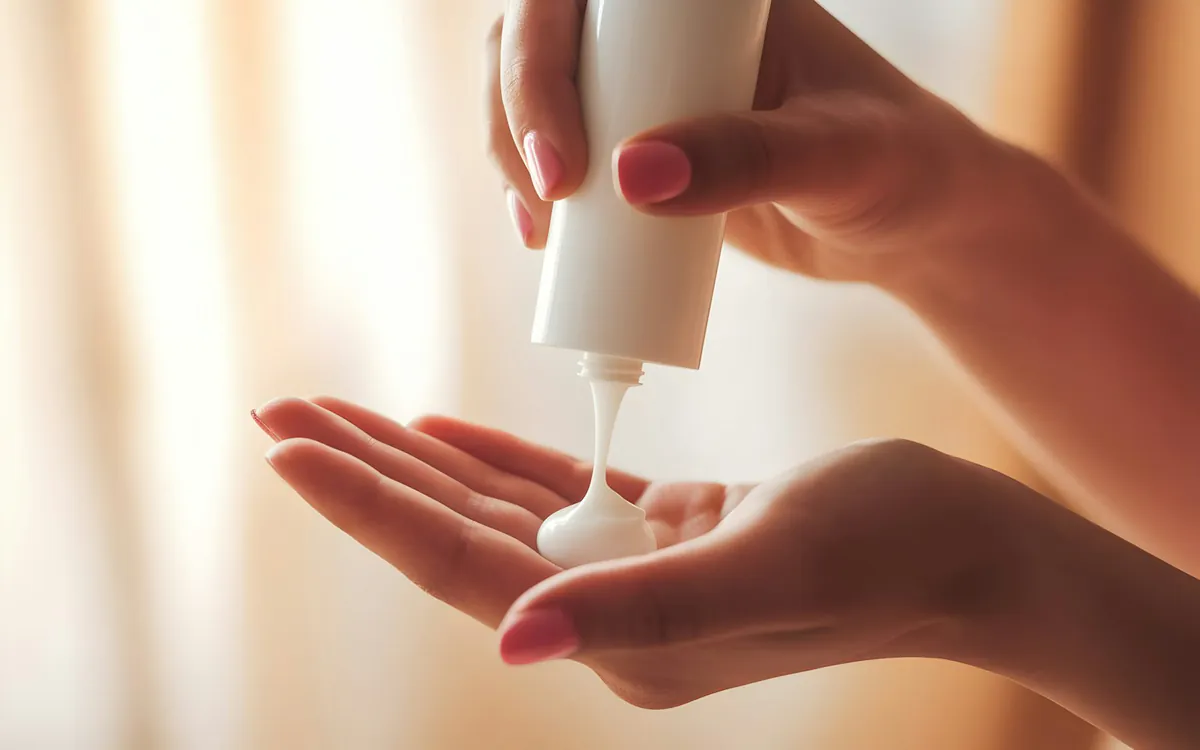
Warm it between your palms. Rub your hands together with the butter for a few seconds until it softens and turns glossy. This makes it spread smoothly instead of dragging across your skin, and it's the difference between a quick glide and a greasy struggle.
Smooth it on in slow strokes. Work from your arms and legs towards your torso, pressing gently as you go. Slow, even daily application beats a frantic slap-on, because the butter sinks in rather than sitting on the surface.
Give extra attention to the dry spots. Elbows, knees and heels are the usual troublemakers, so go back over them with a second thin layer. For heels, a little butter before bed and a pair of cotton socks is a cosy trick that feels far better than it sounds.
Let it settle before you dress. Wait a minute or so before putting on clothes, especially if the butter is on the richer side. Your sleeves will thank you.
Reapply when your skin asks for it. Moisturizing isn't a once-and-done job. In dry winter air or air-conditioned rooms you may want a second round in the evening, while in sticky, humid weather once a day, or even every other day, is often plenty. Let your skin set the schedule, not the calendar.
A quick note on the face: body butter is usually thicker than what most people want on their facial skin, so keep it for the body unless you know your skin handles rich textures well. If you like handmade, natural products for the rest of your routine, Bebia Organics makes Organic Skincare & Handmade Soaps in Pakistan, and pairing a gentle soap such as Garden Fresh Soap with body butter afterwards is an easy way to keep the whole routine simple.
Choosing Body Butter for Your Skin Type and Climate
Dry Skin
Dry skin is the easiest match for body butter. If your elbows, heels and shins feel tight by afternoon, reach for a rich, thick butter with plenty of natural oil and butter in it. These formulas sit on the skin and slow moisture from escaping, which is exactly what dry skin needs. Apply it right after a shower while your skin is still slightly damp. Pay extra attention to the rough patches, and expect to reapply on the driest spots before bed.
Normal to Oily Skin
Your skin type changes the rules a little. Normal skin doesn't need a heavy coat, so pick a lighter butter that melts in quickly and leaves no greasy film on your clothes. Oily skin can still use body butter on the arms and legs, just in thin layers and away from areas that tend to break out. A pea-sized amount per limb is a sensible place to start, then add more only if the skin still feels dry. Skip the face unless the product is made for it.
Seasonal Adjustments
Your body butter habit should adjust seasonally based on moisture levels and temperature, and your body butter habit should bend with it. In humid summer months, skin holds more moisture on its own, so you may need less product, or a lighter formulation that doesn't feel sticky in the heat. In winter, when the air dries out, bring back the richer butter and apply it more generously.
A simple seasonal guide:
- Summer and humid weeks: a small amount, applied after bathing, focused on dry spots only.
- Winter and dry spells: a thicker layer, morning or night, with extra on hands, feet and elbows.
Handmade, small-batch butters made in Pakistan, like those from Bebia Organics, are formulated with local weather in mind rather than shipped across the world, which makes adjusting to the season far less of a guessing game.
Why Handmade and Organic Body Butters Matter
Handmade and organic body butters matter because you can see what you're putting on your skin, and what you're not. A small-batch pot usually carries a short ingredient list of real butters and oils, where many mass-produced tubs lean on fillers and extra preservatives to survive long shipping and long shelf lives.
That short list is the real perk. When a maker pours a batch by hand, there's little reason to pad it with ingredients you can't pronounce. You flip the pot, read three or four familiar names, and know what you're getting. Handy, if your skin has ever sulked after a mystery cream.
Local also means fresher. A body butter made in Pakistan didn't spend weeks in a shipping container or a hot warehouse, so it reaches you in better condition: smoother texture, nicer scent, no melted-and-reset graininess. You're also backing a local maker instead of paying for an overseas brand's packaging and marketing.
Then there's the recipe itself. Small makers can tweak a blend for the weather and skin they actually see. A butter meant for Pakistani summers can feel lighter, while a winter batch can lean richer, instead of one formula being stretched across every climate on earth.
Here's a quick checklist when you shop:
- A short ingredient list you can read without a dictionary
- Butters and oils listed first
- A maker who can tell you when and where it was made
If that sounds like your kind of moisturizer, handmade organic body butters are a good place to start. Bebia Organics makes its skincare and soaps by hand in Pakistan, so what you buy stays close to home, from the workshop to your bathroom shelf.
Frequently asked questions
What is body butter used for?
What body butter is used for is simple: it softens and hydrates dry skin on the body, especially rough spots like elbows, knees, heels and hands. Its thick, rich texture sits on the skin and helps hold moisture in, so skin feels smoother for longer. Many people apply it after a bath, before bed, or whenever dry weather leaves skin feeling tight.
Is body butter better for you than lotion?
Body butter is better than lotion only if your skin needs more moisture than lotion gives. It is thicker and richer, so it suits dry skin and cooler, drier months. Lotion is lighter and spreads fast, which many people prefer in humid weather. Neither is better for everyone. Pick the texture your skin feels comfortable in, then stick with it.
When should we use body butter?
Body butter works best right after a bath or shower, when your skin is still slightly damp and ready to hold moisture. Many people also use it at night, since a thick layer has time to settle in while you sleep. Reach for it again during the day on hands, elbows or heels whenever they feel dry or tight.
What ingredients should I look for in a good body butter?
Look for short ingredient lists built on natural butters and oils, such as shea butter, cocoa butter, coconut oil or almond oil. These feel rich, melt on contact with warm skin and help lock moisture in. A good body butter should smell pleasant without heavy synthetic fragrance, and the ingredients should be easy to read and recognise.
Can I use body butter on my face or just my body?
Body butter is made for the body, and its thick texture can feel too heavy on the face. Some people with very dry skin use a tiny amount on dry patches, but it may clog pores or feel greasy on oily or combination skin. For daily facial moisture, a lighter product made for the face is usually the safer choice.